
01
Asks what is on the ground now
Existing surface, rough area in the customer's own terms, the material they have in mind and which way the ground falls — the facts a paving price rests on.
Adoomi answers what customers ask before they let anyone quote, from the pages you approved: how far you travel, whether you take fencing as well as paving, and what a garden round covers, green waste included. It replies whenever the enquiry lands, so a brief reaches you with the surface, the size and how a dumper would reach the back garden. The figure and the date stay with whoever walks the garden; tree work reaches the person you name.
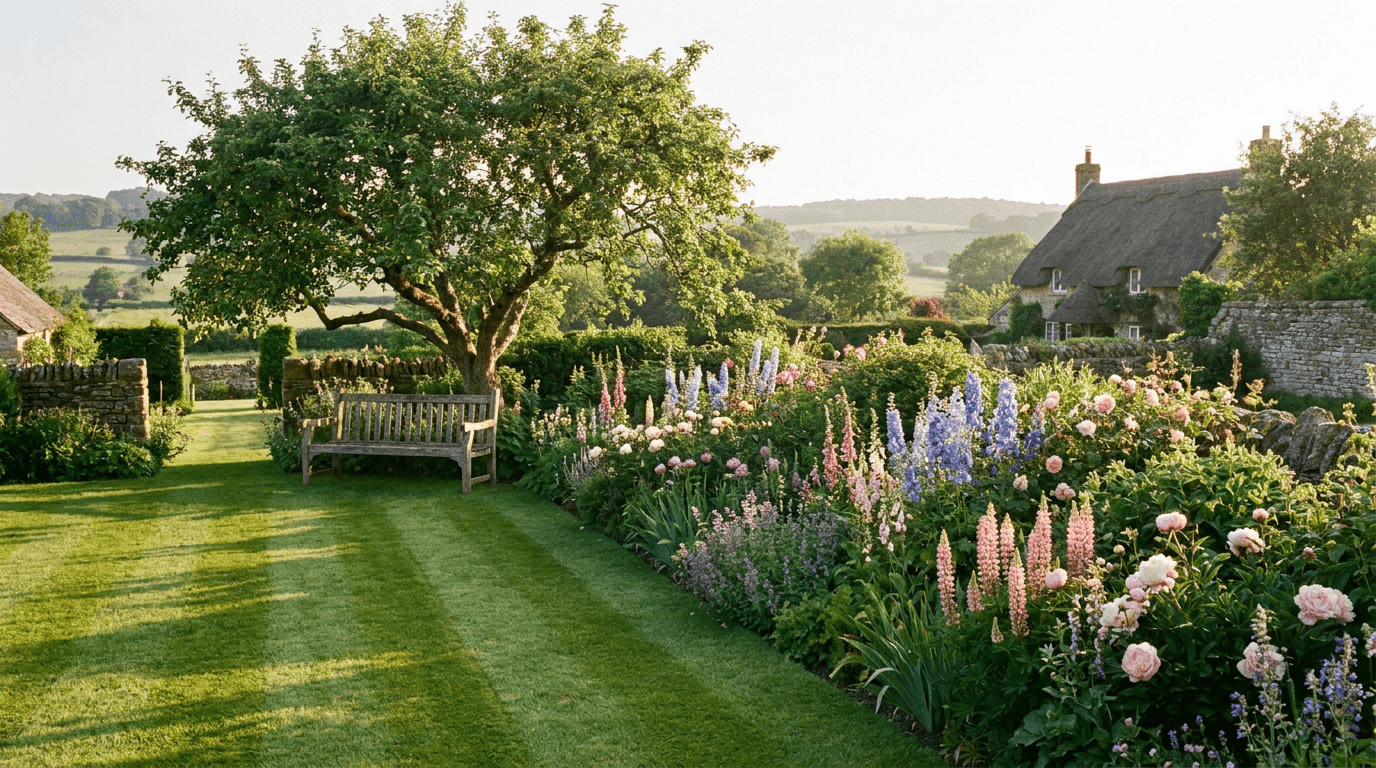 Fig. 01.A · Landscapers / gardeners
 Fig. 02.A · pain quotes
Spring turns and the enquiries arrive while the team is out with the machinery, saying almost nothing. No area, no idea what is down at the moment, nothing about the fall of the ground or the width of the side gate. Fencing is the same trap in reverse: a run of closeboard into clay full of tree roots and a run of panels on an open plot are not the same job at any price. Then winter arrives, a gale flattens a fence line overnight, and every message says urgent.
Existing surface, rough area in the customer's own terms, the material they have in mind and which way the ground falls — the facts a paving price rests on.
Side-gate width, whether a dumper gets through, where a grab lorry or a skip could stand, or whether every barrowload comes through the house.
Tree surgery, protected trees, knotweed and commercial grounds contracts reach a named person, with the customer's own description carried over.
How far you travel, what a maintenance round includes, whether old slabs and fence panels go with you, whether you take on drainage as well as planting, and how a quote visit is arranged — answered from your own pages, with the figure and the date left to you.
Adoomi asks what your estimator would, and the questions change with the job. Paving: what is down now, rough area in the customer's terms, the material in mind, which way the ground falls. Fencing: the run, panels or closeboard, whether the old posts go too. Maintenance rounds: how often, what a visit covers, mower and side-gate access, where green waste goes. Then the access a crew needs — dumper route, grab-lorry spot — and photographs reach you only after a WhatsApp handover.
 With Adoomi
 Fig. 06.A · after-hours
People enquire about gardens while standing in them, which is exactly when nobody is at a desk. Overnight Adoomi gives back only what your site states — how far you travel, which work you take on, whether old slabs and fence panels go with you, what a maintenance round includes — and captures the rest. It offers no date: the weather and your diary decide that. Whoever you named gets an email alert, and a customer who wants a person is handed to WhatsApp with the message they typed.
Every week of the season it is the same handful: how far do you travel, do you do fencing as well as paving, do you take the old slabs away, do you take on commercial grounds, do you do drainage. All of it is on your pages already, so nobody stops the mower to repeat it. What still needs a person is what the garden itself decides — standing on the ground, reading the levels and the falls, finding what the soil is like, and putting a price on it while standing there.
 Fig. 08.A · controls
Prices for paving, fencing, turf and drainage come from a walked garden — levels, soil and access move the figure, so the chat window gives none. Start dates stay with your diary, spring least of all. Adoomi will not rule on whether a tree can come down — that sits with you and the council — and hedge work raised in the nesting season is handed over, not approved. None of this makes a landscaping business compliant with anything. Tree surgery, knotweed and grounds contracts reach a named person.
The work you take on, the areas you travel to and how a quote visit is arranged come from pages you approved. Anything they do not cover is handed on.
Levels, soil, the existing surface and access all move a price, and none of them shows in chat. The assistant captures them so your visit is a short one.
Start dates and visit times come from your diary and the weather. The assistant records when a customer is hoping for and promises nothing back.
Preservation orders, conservation areas and nesting-season hedge work are captured and handed to a named person, never decided in a chat window.
Garden enquiries are held in the EU, come out or get deleted on request under GDPR, and never reach the logs. The chat window sets no tracking cookies.
A figure comes from a quote visit, never from chat. Levels, the existing surface, the soil and the access all move it, and none of them shows in a message. The assistant captures the job, the rough size, the material and the access, then hands it to whoever prices your work.
Questions follow the job. A paving enquiry gets the existing surface, rough area, material and which way the ground falls; a fencing enquiry gets the run, panels or closeboard, and whether the old fence and posts are going. Access is asked last and matters most.
Rulings of that kind are never given. A preservation order, a conservation area or hedge work raised in the nesting season is captured and handed to the person you named, with the customer's own wording, and none of this makes a landscaping business compliant with anything.
Enquiries reach you by email alert and nowhere else. Nothing is wired into a CRM, a job-management system or a booking diary, and the assistant confirms no date — a customer who wants more is handed to your team on WhatsApp with what they typed.
Maintenance answers come from your published round: what a visit includes, how often you come, and whether green waste goes with you. Commercial grounds and anything you would normally tender for are handed to a person rather than scoped in a chat window.
Plan prices run £0 a month for 50 message credits, £8 for 200, £20 for 500 and £75 for 4,000. Linking your pages, reading what it drafts and adding one line to your site takes ~10 min, and no answer is shown to a customer before you approve it.
You will find no conversion figure here — what you charge, who else is bidding and the weather settle that. Adoomi answers only from pages you approved, and the source is refreshed on a schedule and whenever a page is edited, so a service you stopped offering cannot resurface. It invents no figure and no date. Every conversation is readable afterwards, including where it declined and what it said instead, which is how you find out if your fencing page is clear enough. It is on 24/7.
Coverage, services and how a quote visit is arranged come off your own pages at the hour people are actually out looking at their gardens.
The job, the rough size, the material and the access are captured so the estimator arrives knowing. The figure stays with whoever walks the garden.
You read what it proposes to say about prices, dates and tree work, change anything you dislike, and no customer sees a word of it until you have.
Connect the pages describing your paving, fencing, turfing, drainage and maintenance, the areas you travel to and how a quote visit is arranged. Name the address for email alerts and the WhatsApp number for customers who want a person, and pick who tree work and commercial grounds should reach. Then put your most awkward enquiry to it — an overhanging sycamore, a flattened fence line — before a customer does. Standing it up takes ~10 min; the Free plan is £0 with 50 message credits.
 Fig. 12.A · Landscapers / gardeners
