
01
Answer the training-times question once
Nights, venues, junior age groups, kit and how to join — from your own club pages, at the hour parents actually look rather than when the committee is free.
Adoomi answers the joining questions from your club's own pages — training nights, junior age groups, subs and match fees — 24/7, in a parent's own language. A trial enquiry reaches your junior manager with the age group, the experience and the parent's contact, by email alert or WhatsApp. Signing up happens on your own pages, whether training is on stays a committee call, and welfare, injuries and selection go to the person you name.
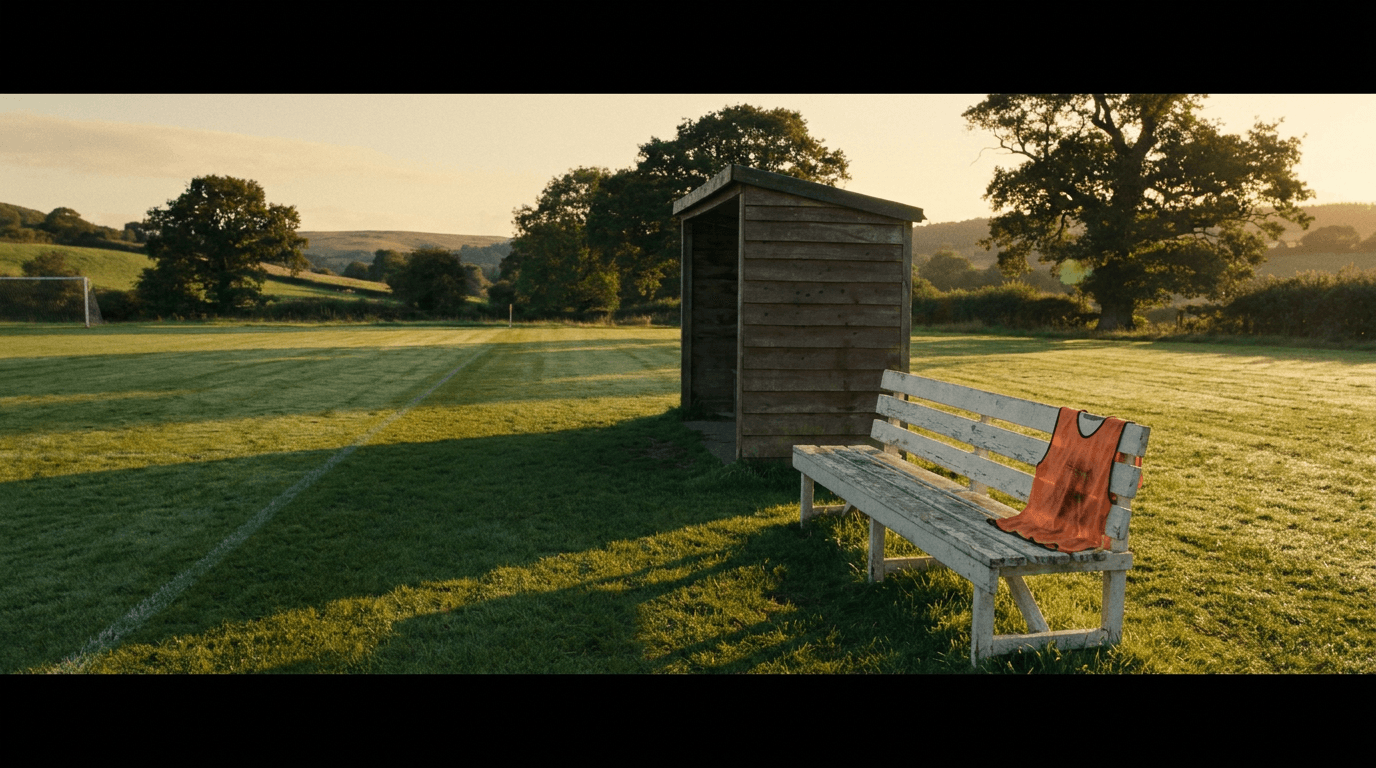 Fig. 01.A · Sports clubs
 Fig. 02.A · pain quotes
A volunteer committee runs the club around day jobs. The secretary gets the joining questions, the junior manager gets the parents, the treasurer gets the subs queries, and all three land on a Tuesday evening when every one of them is at training. Meanwhile a parent who found the club on their phone has asked which age group their child would be in, had no reply by Thursday, and taken them to the club down the road instead.
Nights, venues, junior age groups, kit and how to join — from your own club pages, at the hour parents actually look rather than when the committee is free.
Age group, whether they have played before, and a way to reply — asked of the adult and not the child, so your junior manager answers once with everything needed.
Safeguarding messages go to your club welfare officer unanswered. Anything about a knock, a comeback or who starts on Saturday is passed to your coach or manager.
Training nights and venues, which age groups the junior section runs, what subs and match fees cover, what to bring to a first session, how to join mid-season and how to help out — answered from your own club pages, with welfare, injury and selection questions handed to the person you name.
A trial enquiry is no use without the age group, whether they have played before, and a way to reach the adult asking. Adoomi asks for the fields your committee sets — and it asks the parent or guardian rather than the child, because details about a junior are theirs to give. Only the fields your committee chose are captured, and nothing the parent types is copied into a log. The enquiry then reaches your junior manager by email alert, or on WhatsApp carrying the parent's own message.
 With Adoomi
 Fig. 06.A · after-hours
Enquiries follow the season, not office hours: a parent hunting for junior training times after bedtime, a new signing checking the venue the night before, somebody asking about subs the week the renewal reminder goes out. Whatever your club pages publish is answered there and then, 24/7, and the rest waits till morning. The one thing it will not do out of hours is tell anyone training is going ahead — a frozen pitch is a committee call, so it points at wherever you post cancellations.
Training nights and venues, junior age groups, what subs and match fees cover, kit and what to bring, how to join mid-season, and who to ask about helping with the tea bar or the line marking. It is all on your site the day the fixtures go up. Adoomi answers from those pages, so the secretary's evening goes on the fixture list and on the parents who need a person — not on another reply about where the pitch is.
 Fig. 08.A · controls
The assistant answers what your club pages publish: training nights, venues, junior age groups, subs and match fees as listed, kit and fixtures. It takes no payment: subs are paid where your pages send people. A welfare message gets no reply — it reaches your club welfare officer by email alert to the address you set, or by WhatsApp handoff carrying their words. Injuries, return to play and selection go to your coach or manager. Behaving this way makes no club compliant with anything.
Training nights, venues, junior age groups and whatever your fees page publishes. Where a page does not say, the assistant says so instead of filling the gap.
The parent or guardian gives whatever is captured about a child, never the child themselves. Those records sit on EU-hosted infrastructure and can be exported or deleted on request.
A safeguarding message is not assessed, answered or signposted. It reaches the named officer with what was written, ahead of everything routine in the queue.
Subs and match fees are paid on your own pages. Selection is the manager's call. Injury and return-to-play questions go to your coach or physio, never to a chat window.
Junior details are asked of the parent or guardian, never gathered from a child, and they are only the fields your committee set: age group, experience and a contact. Conversation data is EU-hosted with GDPR export and deletion on request, and no conversation content is written to logs.
Safeguarding messages get no reply from the assistant — no assessment, no advice, no signposting. The conversation goes to the club welfare officer you named, with what was written attached, ahead of the routine queue. The assistant shortens the journey to that officer; it takes over no part of their role.
Session availability is never confirmed by the assistant. It cannot see a pitch inspection, a booking diary or the weather call your committee makes, so it repeats what your page says about cancellations and points at wherever you post them. Guessing would be worse than silence.
Payment is never taken in the chat window: no card details, no amounts, no membership sign-up. The assistant explains what your fees page publishes about subs, match fees and what they cover, then sends people to your own payment page. Questions for the treasurer are captured for them.
Injury, return-to-play and selection questions are handed on, not answered. The assistant says it is not the place for them and routes the enquiry to your coach or physio, and to the manager for selection. No fitness judgement or squad decision comes out of a chat window.
Plans are priced in message credits: the Free plan is £0 a month with 50, then 200 at £8, 500 at £20 and 4,000 at £75. A credit goes only on an answer the assistant writes — every reply your secretary types is free. Connecting, reviewing and adding the line runs to ~10 min.
A parent judging your club by how fast you reply is not measuring your coaching. The assistant is built so a reply can be quick and narrow at once: it says only what your pages say, it hands the junior enquiry to your junior manager with the parent's own wording, and it does not attempt the questions a club should never answer in writing. No outcome is promised on this page — this is how it behaves by construction.
Training nights, venues, junior age groups and what the subs cover, answered while the committee is at work or on the touchline.
Junior enquiries are taken from the parent or guardian, so no child is asked to hand over their own name, age or contact to get an answer.
Setup is a website connection, a read through the answers and one line added to your site. The Free plan is £0 with 50 message credits.
Point Adoomi at the pages a prospective member reads — training times and venues, subs and match fees, junior age groups, kit and how to join — then read the answers it proposes before a parent does. Payment stays on your own pages, welfare goes to your club welfare officer, and the Free plan is £0 with 50 message credits and no card: enough to find out whether it saves your secretary an evening.
 Fig. 12.A · Sports clubs
