
01
Answers what your pages already answer
Hours, menu tags, class timetables, parking, breakfast times and check-in windows — from your own pages, in the guest's language, at any hour.
Cafés, restaurants, hotels, gyms and tour operators take most of their enquiries at exactly the wrong moment — mid-service, mid-changeover, mid-class. The answer is usually already on the menu, the timetable or the room page; the guest simply did not find it, so they message instead. Adoomi is a chat window on your own website, trained only on the pages you approve, answering hours, menus, timetables, parking and check-in questions 24/7 in the guest's own language. Booking enquiries arrive with party size, date and dietary notes already captured. Allergen questions are the line it will not cross: it points to your published allergen information and leaves the confirmation with your kitchen, because a guest's safety is not something an assistant should guess at.
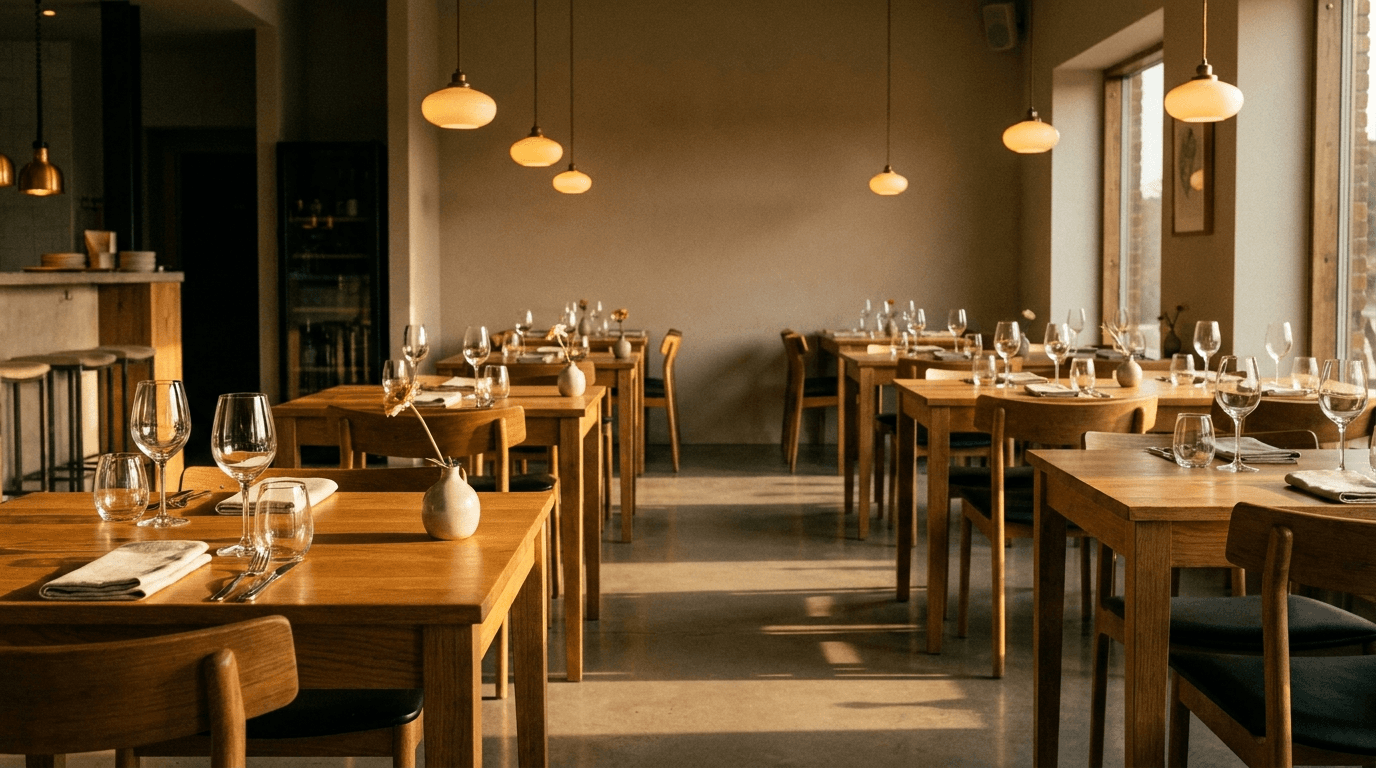 Fig. 01.A · Hospitality and Leisure
All sub-verticals
Each sub-vertical has its own page with sub-vertical-specific FAQs, chat examples and imagery.
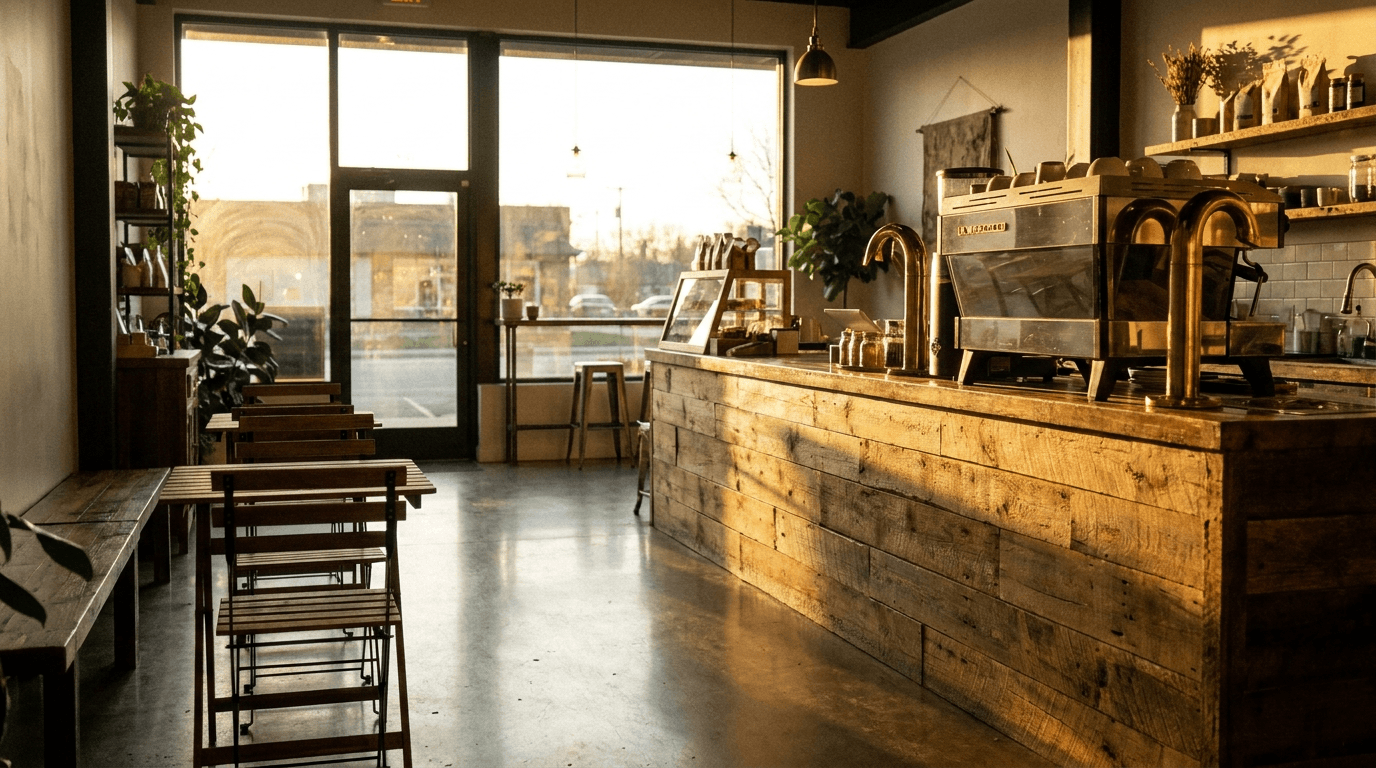
Cafés get asked the same things all day — opening hours, what is on the breakfast and lunch menu, dietary tags, takeaway, whether dogs are welcome, whether there is wifi — and Adoomi answers each from your own menu page while any allergen confirmation goes to the kitchen.
Explore
Studios field class-timetable questions every Monday, plus trial passes, membership tiers and freeze rules, drop-ins, what to bring, parking and lockers — Adoomi answers those from your timetable and membership pages and never offers injury or training advice.
Explore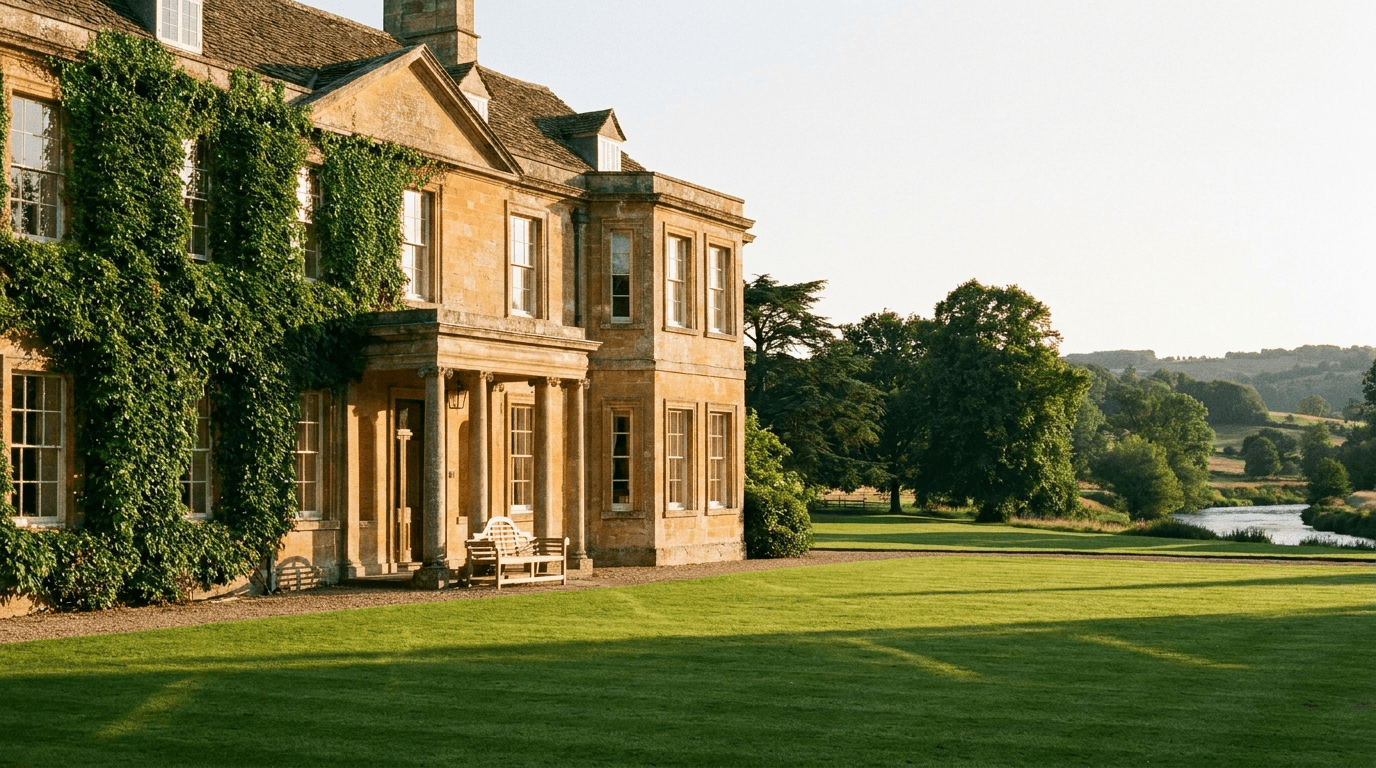
Guest houses lose direct bookings to the questions asked at midnight — parking and whether it is free, breakfast times, pet policy, family and interconnecting rooms, check-in and check-out windows, step-free access — so Adoomi answers each from your own pages and then captures the booking enquiry.
Explore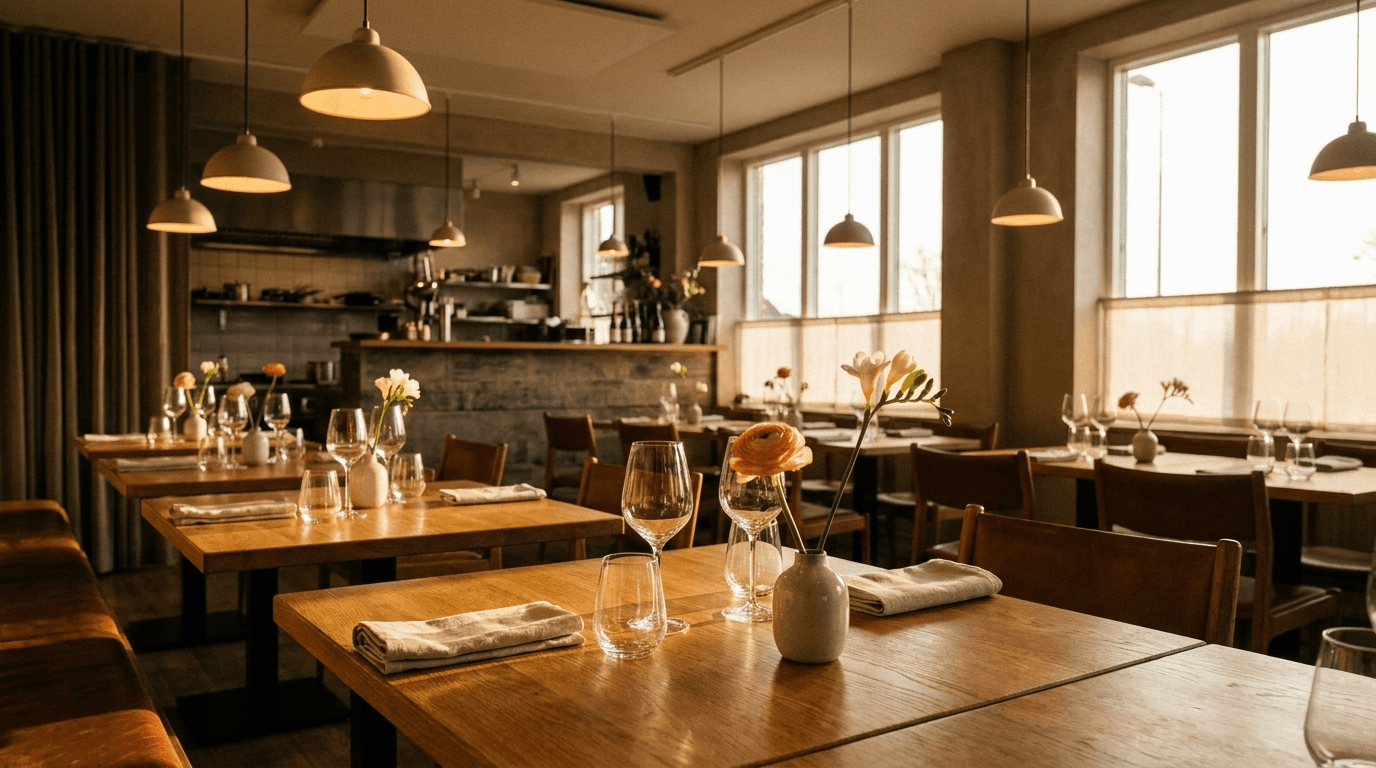
Restaurants take reservation messages mid-service alongside opening hours, last booking time, the dinner and wine menus, dietary options, high chairs and walk-in policy — Adoomi answers those from your menu page and captures party size, time and dietary flags, leaving allergen checks to the kitchen.
Explore
Tour operators answer the same pre-booking questions every season — the day-by-day itinerary, what is included, how fit you need to be, group size and age range, single supplements and departure dates — and Adoomi answers those from your tour pages while refunds and ATOL or ABTA specifics go to a person.
Explore Fig. 02.A · pain quotes
The brunch rush and the check-in surge fall in the same hours the phone rings hardest, so calls go to voicemail while the team is on the floor. Meanwhile the same handful of questions repeat all day on Instagram and WhatsApp: what time do you open, is there parking, is Tuesday's class beginner-friendly, do you have a vegan option. By the time someone reaches the late-evening booking message, the table has been booked somewhere that replied first.
Hours, menu tags, class timetables, parking, breakfast times and check-in windows — from your own pages, in the guest's language, at any hour.
Covers, date, time, dietary notes, occasion, room type or departure — captured in one pass so your team confirms in a single reply.
Points to your published allergen information and leaves confirmation with the kitchen. It never gives an assurance of its own.
Guests ask these across cafés, restaurants, hotels, studios and tours — and on your own site every one is answered from pages you have already published and approved.
A guest who types 'anything Saturday?' gets asked the things your host stand would ask anyway — how many covers, what time, any dietary notes, any occasion — and the enquiry lands with all of it attached, in the guest's own words. Studios get the class and the trial pass the enquirer is after; hotels get dates, room type and access needs; tour operators get the departure and the group size. Your team replies once to confirm, instead of trading four messages to work out what was being asked.
 With Adoomi
 Fig. 06.A · after-hours
Hospitality enquiries cluster exactly where staff cannot be: late evening, weekends, and the hour before a delayed train gets in. The assistant answers from your own pages at those hours — parking and breakfast times for a guest deciding whether to book direct, this week's timetable for someone eyeing a Monday class, the last booking of the night for a couple choosing between two restaurants. Late-arrival and key-collection questions are answered only from the instructions you have published, never improvised, and anything your pages do not settle is captured with contact details so the morning team opens a clean list rather than a backlog.
Opening and kitchen hours, menu tags, dog and pet policy, wifi, what to bring to a class, what is included on a tour — the questions that repeat all week get answered from your own pages, at any hour. What still reaches your team is what genuinely needs judgement: the private-hire brief, the group booking above your stated capacity, the accessibility request, the allergen check only the kitchen can settle. The chef stays on the pass and the front desk stays with the guest in front of them.
 Fig. 08.A · controls
Allergen questions are where an assistant has to be honest rather than helpful, and this is the boundary we treat as non-negotiable. Adoomi repeats the dietary tags your published menu carries and points the guest at that source, then says plainly that only your kitchen can confirm what is in a dish today — it never issues a definitive allergen assurance of its own, in line with Food Standards Agency allergen guidance. The same rule holds for licensing and age policy: unless you have configured an answer, it does not invent one. Group bookings above your stated capacity, accessibility requests and anything the pages do not settle go to a named person with the guest's question attached. You review every answer before a single guest sees it. The allergen rule itself is structural rather than behavioural — with no assurance available for it to give, the failure mode is a handover to your kitchen, not a wrong yes. The conversation itself is handled with the same care: EU-hosted, no tracking cookies in the chat window, and what a guest types exportable or deletable on request under GDPR. None of this makes your venue compliant with anything; it keeps the assistant inside the boundary you set.
Menu, timetable and room pages are the whole source. General knowledge is not a fallback.
Published tags are repeated; the confirmation goes to your kitchen, never an assurance from the assistant.
Answered only where you configured an answer. Otherwise it routes to a named person.
Read and edit every answer before a guest sees it. Nothing changes behaviour without your sign-off.
Allergen confirmation stays with your kitchen. The assistant repeats the dietary tags your published menu already carries and points the guest at that source, then says plainly that only your team can confirm what is in a dish today. It never gives an allergen assurance of its own.
Published facts only: opening and kitchen hours, menu and dietary tags, class timetables and trial passes, parking, breakfast times, pet policy, wifi, check-in windows, tour itineraries and what is included. Where a detail was never published, it hands the question over instead of filling the gap.
Booking enquiries are captured, not processed. The assistant collects covers, date and time, dietary notes, room type or departure and contact details, then passes the enquiry to whoever books today — your inbox, your WhatsApp, your diary. It holds no calendar and confirms nothing itself.
Out-of-hours questions get the same source-grounded answer, 24/7 and in the guest's own language. Late-arrival and key-collection queries are answered only from the instructions you have published, and anything those pages do not settle is captured with contact details for the morning team.
Licensing and age policy are answered only where you have configured the answer yourself. With nothing published, the assistant says it cannot confirm and routes the question to a named person, rather than guessing at a rule that varies by venue and by licence.
Multilingual replies are standard: a guest writing in French, Polish or Arabic gets your published information back in the same language, at any hour. The source never changes, so a translated answer states no fact your own approved pages do not already state.
Most hospitality chatbots want to become your booking system, which means a migration, a second calendar and another place for staff to look. Adoomi does the opposite. It sits on your existing website as one line you add to a page, answers from the menu, timetable and room pages you already publish, and passes the completed booking enquiry to whoever handles bookings today — your inbox, your WhatsApp, your existing diary. Change the menu and the answer follows the next time it re-reads your pages — that happens on a schedule and whenever a source changes, so a daily specials board still needs its page updated before the chat window catches up.
Hours, menu tags, timetables, parking and check-in answered from your own pages while the floor is busy.
Evening, weekend and late-arrival questions answered in the guest's own language in your web chat, with a WhatsApp handoff to your team.
The assistant repeats what your menu publishes and hands confirmation to a named person, rather than reassuring a guest itself.
Point it at your menu, your timetable and your policies, then ask the questions you would least like it to get wrong — the nut question, the party too big for your largest table, the dog in the bar, the arrival after the last train. Read what it proposes to say and change anything you would not say yourself. The Free plan is £0 a month with 50 message credits — enough to test it on a weekend's worth of real questions — and paid plans step in at £8 for 200 credits when weekends outgrow it. The pricing page has the full comparison, and the guardrails and handoff page under Product shows the decline-and-capture flow end to end.
 Fig. 12.A · Hospitality and Leisure
