
01
Fit, straight out of your size guide
Measurements for each size, how a piece is cut, fibre content and the care wording — read from your own pages. No 'runs small' call your guide does not make.
Fit doubt is where a fashion basket dies: does it run small, what is the fabric, how long have I got to send it back. Adoomi answers those in a chat window on the garment's own page — 24/7, in whatever language the shopper types — using the size guide, product copy and returns policy you approved, and nothing else. It will not invent a returns window to rescue a sale, and it cannot see whether a size is still on the shelf. It says so plainly, and the question goes to your team.
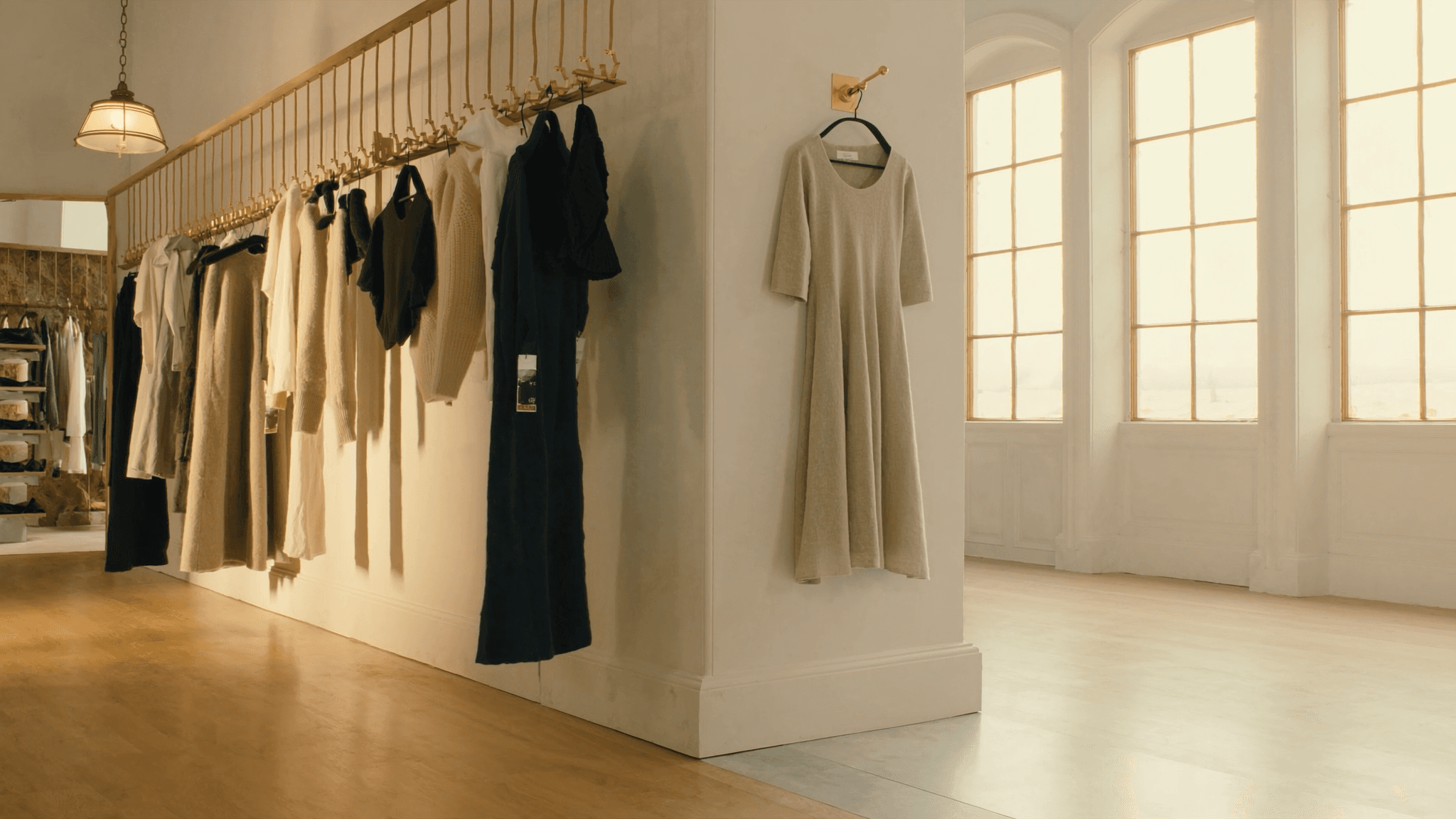 Fig. 01.A · Fashion retailers
 Fig. 02.A · pain quotes
They ask it in their head, decide it is a gamble, and the basket is never built. Your size guide sits on another page, the fibre content is in a tab under the price, and the returns window is in the footer — none of it where the doubt happens. The messages that do arrive are the ones a contact form handles worst: an exchange for the next size up, initials embroidered on a shirt for a wedding, a care question about a linen mix. They land after dinner and are still there on Monday.
Measurements for each size, how a piece is cut, fibre content and the care wording — read from your own pages. No 'runs small' call your guide does not make.
Your published rule is read back exactly as written, and there is no mechanism for bending it. A request that falls outside goes to a person with what the shopper actually wrote attached.
A monogram, an alteration, a wholesale run or a press request arrives with the piece, the finish, the date it is needed and how to reach them.
These are the fashion ones: cut and cross-brand sizing, fibre and care, the returns window and the exchange route, and the custom asks that carry a date. Each is answered from the product copy, size guide and policy pages already live on your site — or handed over when those do not settle it.
Monogramming, alterations, wholesale and press requests are the ones a one-box form flattens into a single unusable line. Adoomi asks what your studio would ask: which piece and colourway, the size, the lettering or finish wanted, the date it has to land by, and how to reach them. One structured enquiry reaches your team carrying what the shopper actually typed. An exchange request arrives naming the piece and the size wanted instead — never looked up, because no account or order is open to it.
 With Adoomi
 Fig. 06.A · after-hours
Browsing carries on well after your customer-service desk shuts, and a sale weekend or a new drop concentrates it further. The size guide, product copy, care notes and the returns and delivery pages you approved keep answering regardless: how a piece is cut, what it is made of, how to wash it, how long a return has and who pays the postage. An out-of-policy return, a bulk order, or whether a sold-out size is coming back is named as beyond it and captured for the morning.
Measurements from the size guide, how a cut runs, fibre content and the care label, the returns window and who pays return postage, which countries you ship to — the questions attached to every garment on the site, and every answer already written down somewhere. Handled where the shopper is standing, on the product page, they never make it to your inbox. The monogram brief, the wholesale order, the return outside the window and the faulty seam are what your team is left with.
 Fig. 08.A · controls
Returns leave no room to improvise. Exchange-for-the-next-size, the dress worn once, the sale rail and the faulty seam are answered exactly as your policy page words them — nothing waved through to save a sale, anything outside the rule captured for a person. It will not rule on fit past your size guide, will not confirm a size is in stock, and cannot open anybody's order. Each becomes an email alert to whoever you name, or a WhatsApp handover carrying what the shopper actually wrote.
Fit answers repeat what your published guide and product copy say. Where the guide is silent, the assistant says so instead of estimating a size.
A worn dress, a sale piece or a late request is never waved through to save the sale. The assistant reads the rule as written, then puts the exception in front of whoever decides those.
Nothing links it to your shop floor or warehouse, so a sold-out size is never confirmed as back. It captures the piece and size for your team.
Monogramming, alterations, trade orders and press requests reach you as a brief with the date attached. No made-to-order job is ever priced in the chat window.
Chats are stored in the EU, and a shopper can have their messages exported or erased under GDPR. The window sets no tracking cookie, and what was typed never reaches a log — only reference IDs do.
Size answers come from your published size guide and nothing else — the measurements for each size and any note you have written about how a piece is cut. Where your guide does not settle a cross-brand comparison, the assistant says so and offers to pass the question to your team.
Returns policy is quoted, not interpreted — your page's wording is what a shopper gets, and nothing here can bend it to keep a basket. A dress worn once to a wedding is not the assistant's call: worn items, faulty seams and sale-rail exceptions land with a person, captured with what they wrote.
Stock is the one thing it cannot see. Nothing links it to your shop or warehouse, so availability is only as current as the last read of your pages. Asked whether a sold-out size is returning, it repeats what your page says about restocking and captures the piece, size and contact details.
Returns are not processed in the chat window, and no photo or file can be uploaded into it. The assistant explains from your policy how a return is started and where, then captures the enquiry — photographs reach your team only if the shopper sends them after moving to WhatsApp.
Custom work is never quoted by the assistant. An embroidery, alteration, wholesale or press enquiry is captured with the piece, the finish, the date it is needed and contact details, then sent as an email alert to whoever you set — your team gives the answer, in your own hours.
Cost runs on message credits: the Free plan is £0 a month for 50, then £8 for 200, £20 for 500 and £75 for 4,000. Every answer spends one, so a single shopper's fit-then-returns thread spends several. Setup — connect the shop, read the answers, add one line — runs to ~10 min.
Adoomi reads the pages you already keep current — the size guide, each product's copy, the returns and delivery pages — and re-reads them on a schedule and when a page changes, so an amended returns window reaches the answers instead of living in someone's memory. Nothing here is a benchmark or a case study; these are design promises. It answers from your content, declines what your content does not settle, and you read every answer first.
Measurements and cut notes are repeated from the guide you publish, so two shoppers asking the same thing get the same answer.
A new drop or a sale weekend fills the small hours with fit questions, and each gets the answer you signed off. Whatever it will not settle is written down with a name on it.
Stock checks, order chases and out-of-policy returns are named as beyond it and routed, rather than answered with a plausible guess.
Load in your size guide, product copy and returns policy, then ask the three that actually decide a basket: does this run small, can I send it back after the wedding, is my size coming back. Read how it refuses before you read how it answers; both are yours to change first. Testing costs nothing — the Free plan's 50 message credits at £0 — and the shop is live from one added line in ~10 min. The pricing page lays the plans side by side if you want to see where that runs out.
 Fig. 12.A · Fashion retailers
