
01
Every dimension off your own spec
Width, depth, height, seat height and whether the feet come off — read straight out of the spec on the page, not eyeballed from a lifestyle shot.
A sofa is a considered purchase and the doubt is physical: the carcass width, the depth, the doorway, the half-landing turn. Adoomi sits in a chat window beside the piece itself, answering dimensions, materials, cover care, assembly and your published delivery information 24/7, in the shopper's own language. What it will never do is tell somebody it will fit. It takes the doorway and the stair turn in their own words and hands them to a person who can judge.
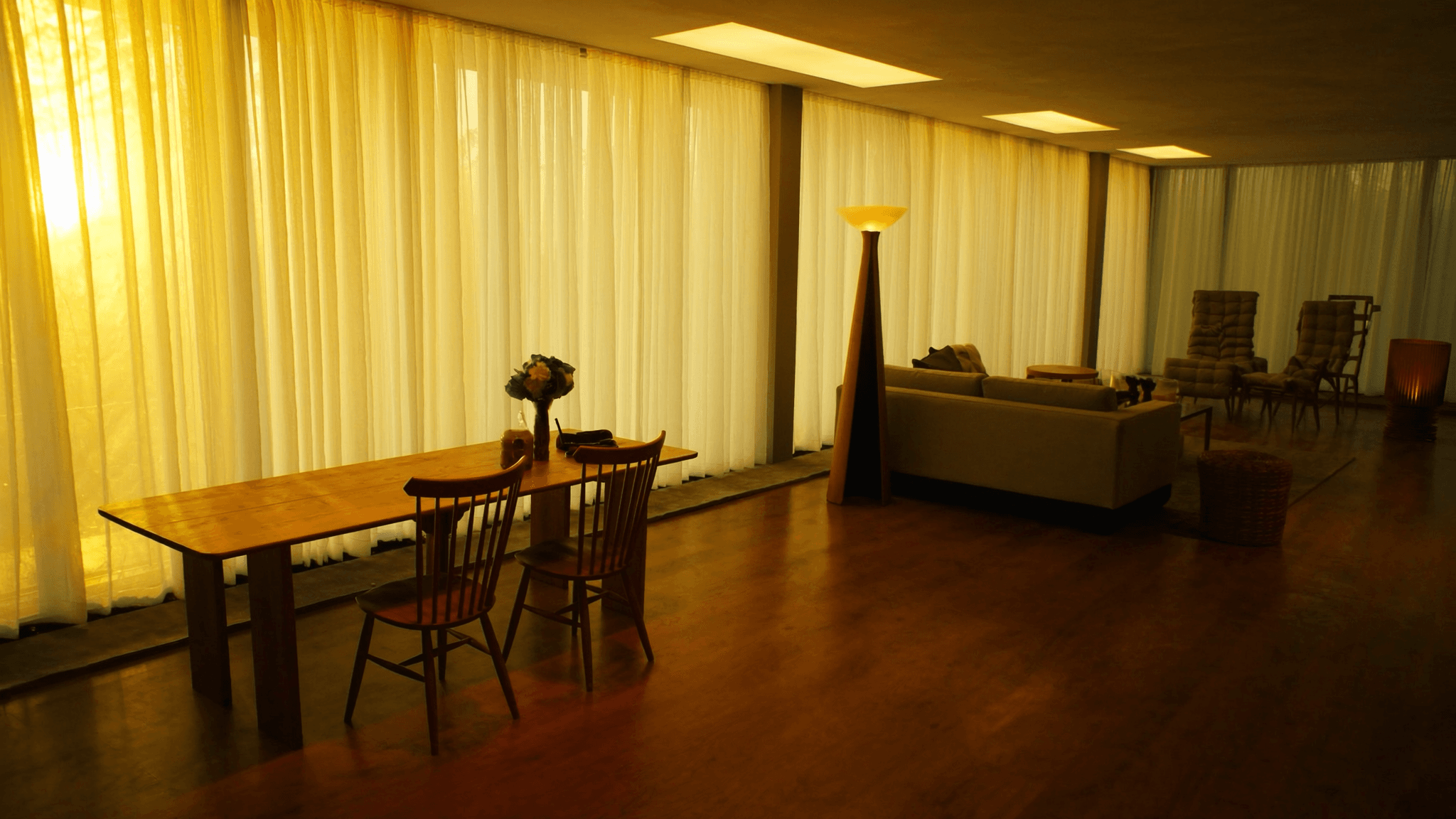 Fig. 01.A · Furniture stores
 Fig. 02.A · pain quotes
Nobody spends a month's budget on a sofa they are not sure will get into the room. So they measure the door, then hunt for the carcass width, the depth with the back on, whether the feet unbolt and whether your crew will take it round a turning stair. Some of that is on the page. The rest arrives on a Sunday afternoon with the showroom shut, and a shopper who cannot resolve it does not order — they keep browsing.
Width, depth, height, seat height and whether the feet come off — read straight out of the spec on the page, not eyeballed from a lifestyle shot.
Doorway width, stair turns, lift access and parking restrictions are taken in the chat and sent to whoever decides whether it will go in.
Asked when it will arrive, it says plainly that it cannot know, repeats what your delivery page publishes, and takes the postcode and the floor for your team.
Furniture questions are physical and exact — a carcass width against a doorway, whether the cover comes off, what the filling is, how long assembly takes, how delivery and collection work. Each is answered from your own product pages and delivery information, or handed to a person when the page does not settle it.
A furniture enquiry is worth qualifying properly, and the questions rarely change: which model and cover, the room it is going in, the narrowest doorway, the turn on the stairs, the floor it has to reach, and whether there is a lift or a parking restriction. Adoomi asks them in the chat window and files one enquiry with the shopper's own measurements attached, so whoever judges access reads them instead of chasing them. A bespoke size goes the same way — to your consultant, unquoted.
 With Adoomi
 Fig. 06.A · after-hours
Furniture gets browsed at weekends and late in the evening, tape measure in hand, which is exactly when the showroom is closed. Through those hours the assistant answers from your product pages and delivery information: dimensions as listed, whether covers come off, what the frame and filling are, what your page says about assembly, and how delivery and returns collection work. A specific date, a stock position or an access judgement is captured and waiting on Monday.
Width, depth, height, seat height, whether the legs unbolt, frame and filling, cover composition and cleaning, what your delivery covers and how a collection works — these repeat on every piece you list and are already written down. Answered on the page, they stop interrupting a consultation in the showroom. What still reaches a person is what needs one: the access judgement, the bespoke size, the trade order, the piece that arrived damaged.
 Fig. 08.A · controls
No answer in the chat window will ever say a piece will fit. That judgement belongs to whoever has carried this model up a real staircase, and the assistant is not that person. What it does instead is read the dimensions off your product page, ask for the doorway, the stair turn and the room, then send them on — an email alert to the address you set, or a WhatsApp handoff carrying the shopper's own words. Delivery works the same way: your published information, never a date.
Measurements come from your product page. Whether they clear a doorway is a person's decision, and it hands that over with the shopper's own numbers.
Nothing connects to a carrier, warehouse or fulfilment system, so no date or slot is ever given. Your published delivery information is all it repeats.
Made-to-measure sizes, a customer's own material and non-standard finishes arrive as a brief for your consultant — never a price the assistant invented.
A collection this size is never arranged in the chat window. Your returns policy is quoted as published, and anything falling outside it goes to whoever settles exceptions.
Everything a shopper types is stored in the EU, with GDPR export and deletion on request. No tracking cookies are set, and message text never lands in a log.
Fit is never ruled on in the chat window. The assistant reads out the dimensions your product page lists and the access guidance on your delivery page, then takes the doorway, the stair turn and the room in the shopper's own words and sends them to whoever makes that call for you.
Delivery answers repeat what your delivery page publishes and stop there. No carrier, warehouse or fulfilment system reaches the assistant, so a specific slot or date is never given — it says so plainly, takes the postcode and what the shopper needs, and routes it to your team.
Bespoke work is not priced by the assistant. A made-to-measure size, a customer's own material or a non-standard finish is captured as a brief — model, dimensions wanted, material, deadline and contact details — and routed to your consultant, who quotes it the way you already do.
Photographs cannot be uploaded into the chat window, which accepts no files at all. The assistant takes the description, any order reference and contact details, then hands over to WhatsApp with the shopper's own words carried across — photos reach the team only if the shopper sends them there.
Returns are answered from your published policy alone — the window, the condition, and who pays to collect something this size. It cannot be softened to keep a sale, and a collection is never booked in the chat; that request goes to whoever schedules it. Nothing here makes your business compliant.
Message credits are the unit: £0 a month covers 50 on the Free plan, £8 covers 200, £20 covers 500 and £75 covers 4,000. One answer spends one credit, so a shopper working through dimensions, then delivery, then returns uses a few. Connecting the site, reviewing and adding one line takes ~10 min.
Two things a furniture shopper wants cannot be answered by anything reading your website: a live delivery slot and a live stock position. Adoomi has neither, so it says so and captures the question instead of inventing a date. What it does have is your product pages and delivery information as published, re-read on a schedule and whenever a page changes, and an owner who approved every answer first.
Every figure it gives comes off the specification you wrote — nothing is inferred from a room shot or rounded to something tidier.
The measuring happens on a Sunday afternoon with the showroom locked, and what it answers then is what you approved. What it cannot settle sits in Monday's queue instead.
The access details are typed once by the shopper and read by the person who has to get the piece up there — nobody chases them afterwards.
Hand it your product pages, delivery information and returns policy, then try the three that decide a sofa order: will it get through my door, when exactly will it arrive, is the oak one in stock. It should decline all three and capture instead — that is the behaviour worth testing before a shopper tests it for you. Every answer is yours to edit first. The Free plan is £0 a month with 50 message credits, and going live is one line on your website — ~10 min.
 Fig. 12.A · Furniture stores
