
01
Takes the brief, not just a name
Postcode checked against your coverage area, plus job type, urgency, best time to call and the fault in the customer's own words — captured before anyone has to ring back and ask.
Trades enquiries land while both hands are busy — under a sink, up a ladder, halfway through a deep clean. What arrives is 'can you call me about a job', with no postcode, no scope and no description worth acting on, and the homeowner rings the next firm while waiting. Adoomi takes the brief your office would have taken: postcode checked against your coverage, job type, urgency, the fault in the customer's own words, best time to call. It never quotes without a site visit, and anything dangerous is paged rather than queued.
 Fig. 01.A · Trades and Home Services
All sub-verticals
Each sub-vertical has its own page with sub-vertical-specific FAQs, chat examples and imagery.

Adoomi takes bedrooms, bathrooms, frequency, pet and product preferences and parking notes from your published packages, and sends biohazard, post-builders and office contracts to a person with what the enquirer wrote.
Explore
Adoomi captures the fault description, what the consumer unit is doing and the landlord or EV context behind the job, and treats sparks, burning smells and smoke as a page-now emergency rather than a quote enquiry.
Explore
Adoomi takes the boiler make, age and fault description for a survey, and sends no-heat reports with children in the house, gas smells and carbon-monoxide alarms straight to a person, ahead of the annual-service queue.
Explore
Adoomi answers service-area, maintenance-plan and lead-time questions from your pages, and collects the job type, size, access notes and timing that a patio, fencing, turfing or drainage quote actually needs.
Explore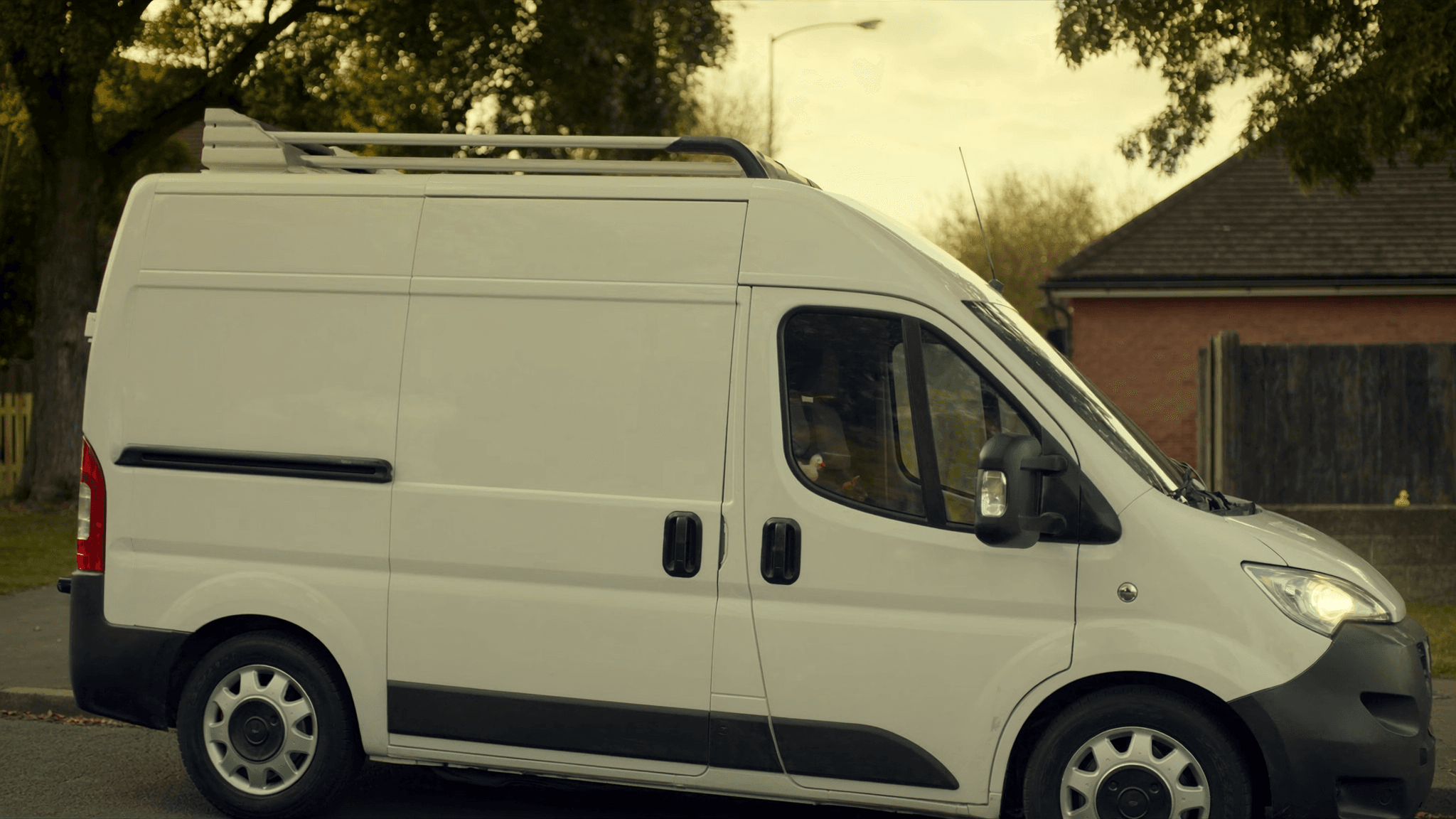
Adoomi checks the postcode against your coverage area and captures job type, urgency and the fault in the customer’s own words while your engineers are out on site, with burst pipes, no water and gas smells escalated immediately rather than queued.
Explore
Adoomi takes the postcode, the roof type, the damage in the homeowner's own words and access notes after a storm, and routes water coming through a ceiling to the on-call roofer instead of the morning queue.
Explore Fig. 02.A · pain quotes
A homeowner with water coming through a ceiling does not leave a voicemail and sit tight. They work down the search results until somebody answers, and the firm that replies first gets the job — even when it was not the better firm. The enquiries that do land are usually unusable: 'need a plumber, please call', with no postcode to check coverage, nothing to scope the job from and nothing to say whether it is a dripping tap or a burst main. Each one costs a call-back before it costs anything else.
Postcode checked against your coverage area, plus job type, urgency, best time to call and the fault in the customer's own words — captured before anyone has to ring back and ask.
Call-out policy, service list and lead times answered from your published pages; anything needing eyes on the job is captured for a site visit rather than quoted from a description.
Gas smells, carbon-monoxide alarms, fire risk and water coming through a ceiling surface your published emergency guidance and go straight to whoever is on call.
Coverage, call-out policy, certificates and lead times come from the pages you already maintain — with pricing and diagnosis deliberately held back for a visit.
The difference between a lead and a job is a handful of facts, and they are the same ones every time. Adoomi asks for the postcode and checks it against the area your pages publish, then the job type, how urgent it is, and the fault described in the customer’s own words — what the consumer unit is doing, the badge on the boiler, where the ceiling has stained, which tile has slipped. Out-of-area enquiries are turned away honestly at the front door instead of eating a call-back, and what reaches your phone is a brief you can book a visit from.
 With Adoomi
 Fig. 06.A · after-hours
Trades demand does not keep office hours. Adoomi handles the routine questions overnight, straight off the pages you publish, and holds the rest for the first van out. Where a message sounds dangerous it does not diagnose — it surfaces the guidance you publish: 999 for any risk of fire or immediate danger, 0800 111 999 for the National Gas Emergency line if there is a smell of gas, 105 for a power cut that may be the network rather than the property. Then it pages whoever is on call — a WhatsApp handoff carrying the customer’s own words, where they can send a photo straight to you if it helps, and an email alert to the address you set. In a one-person firm that is simply your phone; none of it depends on an office.
Every trade answers the same list all week: do you cover my area, is there a call-out charge, how soon could someone come, do you do certificates. Those come off your own pages, so nobody climbs down a ladder to confirm a postcode. What is left for a person is the part needing eyes and hands on site — walking a roof, opening a consumer unit, pricing a job in front of it.
 Fig. 08.A · controls
Three rules do most of the work. The assistant does not quote a job nobody has seen — it captures the scope so your office can book the visit that produces a real price. It does not diagnose a fault remotely, however confident the description sounds: a tripping circuit, a banging boiler or a wet ceiling is captured and handed to a qualified person. Gas is a hard handover, with your published emergency guidance surfaced. Gas Safe, NICEIC and similar claims appear only if you hold them and switch them on. And what a homeowner types is handled with the same care: EU-hosted, no tracking cookies in the chat window, and conversation data exportable or deletable on request under GDPR.
Coverage, policies and what a job includes come only from pages you approved. Nothing else becomes an answer, and no price is ever invented.
Scope and access notes are captured in the customer’s own words, so a real price can be given in front of the job. The assistant takes the details for the visit instead of guessing at a figure.
A gas smell, a carbon-monoxide alarm or a fire risk stops the conversation, surfaces your published emergency guidance and pages whoever is on call.
Gas Safe, NICEIC and similar registrations appear only if you hold them and switch them on. You sign the answers off before any of them reach a homeowner.
Plumbers, electricians, heating and HVAC engineers, roofers, cleaners, and landscapers and gardeners each have a page of their own, covering that trade's actual enquiries — EICR turnaround, consumer units, end-of-tenancy deadlines, storm damage, maintenance plans.
Prices are never quoted without a site visit. The assistant repeats what your pages publish about call-out policy, services and coverage, and for anything else it captures the scope and the postcode in the customer’s words, so your office can book the visit that produces a real price. No figure is invented.
Dangerous reports are handed straight over, never assessed. The assistant surfaces the guidance you publish — 999 for any risk of fire or immediate danger, 0800 111 999 for the National Gas Emergency line, 105 for a possible power cut — and pages whoever you named.
Remote diagnosis sits outside the boundary. What the customer types — the noise the boiler makes, the breaker that keeps tripping, where the ceiling has stained — is captured so your engineer arrives prepared, not so the assistant can decide what is wrong. It all goes to a qualified person.
Coverage is checked at the front door. The assistant compares the postcode against the area your pages publish and tells an out-of-area homeowner honestly, so your team never spends a call-back on a job it was never going to take. In-area enquiries carry on to the full brief.
Registration claims appear only if you hold them and switch them on. Nothing about a trade body is asserted on your behalf by default, and nothing here makes a business compliant with anything. You sign off every answer ahead of go-live and choose where enquiries land.
Most trades chatbots do one of two things: hand over an unqualified contact form, or cheerfully quote a figure nobody can honour. Adoomi does neither. It takes the brief a good office manager would take — coverage, scope, urgency, contact — declines the questions that need eyes on the job, and pages the dangerous ones instead of queueing them. And it answers 24/7 in the customer’s own language — the overnight enquiry from a Polish-speaking landlord reads your pages back in Polish.
Coverage, call-out policy, certificate and lead-time answers come off the pages you publish, evenings and weekends alike.
Scope and access notes are captured in the customer’s words, so the visit produces a real figure — no estimate is invented to keep a conversation moving.
Dangerous reports surface your published emergency guidance and go straight to whoever is on call, rather than queueing with routine quotes.
Connect the pages that already describe your services and coverage area, set who gets paged for gas, fire risk and water coming through a ceiling, and read the answers before a homeowner does. The whole set-up runs ~10 min — site connected, answers reviewed, one line added to your website — and it starts at £0 — 50 message credits a month on the Free plan, with paid plans from £8 when the van gets busier.
 Fig. 12.A · Trades and Home Services
